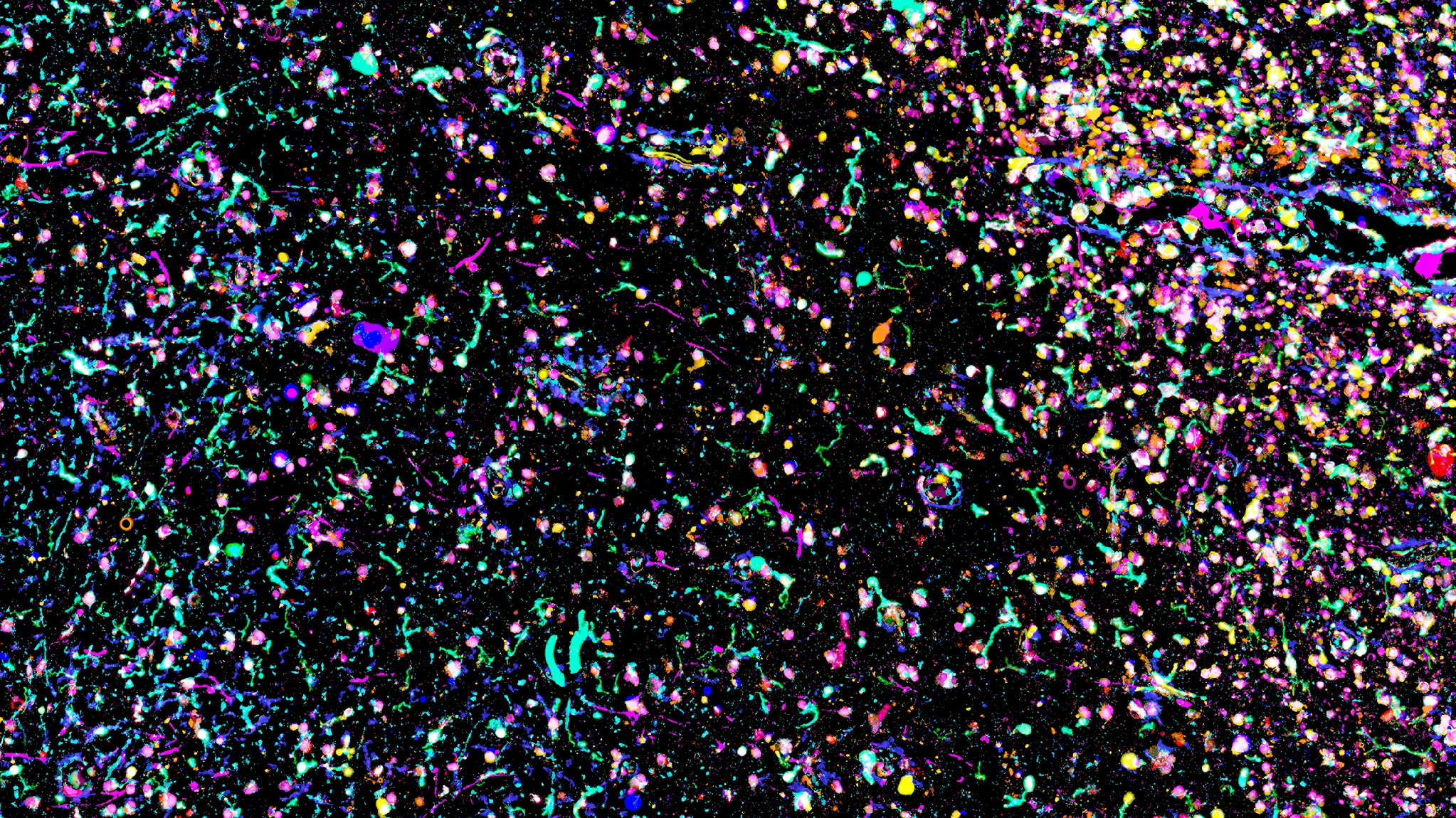
Multicolor microscopy of brain tissue supplied by the Pitt Lab

Capturing brain pathology through CNS cell-type-specific extracellular vesicles

We investigate CNS cell-specific extracellular vesicles from blood and cerebrospinal fluid as indicators of molecular pathology, linking EV profiles with human brain tissue, neuroimaging, and clinical phenotypes.

Explore our research

Our focus

Capturing CNS pathology through CNS cell-specific extracellular vesicles (EVs).

EVs offer a window into molecular processes in the living brain. We study CNS cell type-specific EVs isolated from blood and cerebrospinal fluid, profiling their cargo across multiple molecular layers. With a focus on progressive multiple sclerosis and MS-related diseases, we identify disease-associated signatures and validate them in MS brain tissue using molecular approaches.

Ultimately, we aim to develop biomarkers to diagnose and stratify patients with MS and other CNS diseases, to guide precision medicine for neurological diseases and to nominate disease-related pathways.

Research programs

Glial mechanisms and
molecular markers of disease.

Our work connects cell-specific molecular profiles with the spatial and clinical context of MS pathology.

01 / Extracellular vesicles

Capturing CNS pathology through cell-specific extracellular vesicles (EVs)

Extracellular vesicles (EVs) offer a window into molecular processes in the living brain. We study CNS cell type-specific EVs isolated from blood and cerebrospinal fluid, profiling their cargo across multiple molecular layers. Using advanced computational approaches, we identify disease-associated signatures and link them to clinical phenotypes, neuroimaging findings, and molecular changes in human brain tissue.

Ultimately, we aim to develop biomarkers for diagnosis, patient stratification, therapeutic monitoring, and guidance for precision medicine for neurological diseases.

Approach Cell-specific EV isolation · Multi-omic profiling · Clinical and tissue correlation

CNS-derived EV biomarkers: review
02 / Senescence & ageing

Senescence and ageing in progressive MS

We investigate how CNS cellular senescence contributes to MS progression, with a focus on astrocytes and oligodendrocytes.

We profile astrocyte- and oligodendrocyte-derived EVs from blood and EVs from cultured human astrocytes to identify senescence-associated signatures and link them to cellular senescence in MS brain tissue. We aim to develop blood-derived biomarkers of brain ageing and identify therapeutic targets, including senolytic strategies, that could slow or prevent disease progression.

How we study astrocyte senescence

We hypothesize that cellular senescence contributes to the transition to progressive MS. Our complementary approaches connect human tissue, circulating EVs, and cellular models.

  • Brain tissue imaging. We use iterative multiplexed immunofluorescence (4i) to map multiple senescence markers simultaneously in MS brain tissue and determine the locations of senescent cells in relation to different lesion types and disease states.
  • Blood-based biomarkers. We isolate astrocyte-derived extracellular vesicles (EVs) from the blood of individuals with MS and analyze their microRNA, mRNA, and methylation patterns to identify senescence signatures that distinguish progressive MS.
  • Cell models. In collaboration with colleagues, we induce senescence in cultured human astrocytes and track changes in their EV cargo, linking blood-based signals to cellular mechanisms.
  • Single-nucleus transcriptomic data. We reanalyze single-nucleus RNA sequencing data from progressive MS brains using recently defined ageing signatures to assess whether MS astrocytes exhibit features of ageing beyond those expected for their chronological age.
03 / Cellular interactions

Cellular phenotypes and interactions in MS brain tissue

We generate spatial maps of cellular phenotypes, interactions and molecular pathways that shape MS pathology using high-throughput, highly multiplexed immunofluorescent imaging, multiplexed in situ hybridization and spatial omics integrated with single-nucleus RNA-seq data. We use these maps to investigate mechanisms of remyelination failure, neurodegeneration, and cellular senescence in MS lesions.

They also provide a tissue-based framework for validating molecular signatures detected in CNS cell type-specific EVs, connecting them to molecular changes in brain tissue.

Approach Multiplexed immunofluorescence · In situ hybridization · Spatial omics · Single-nucleus RNA-seq

Myeloid and astrocyte phenotypes in MS lesions

Experimental & computational approaches

Human tissue, molecular profiling,
and cellular models.

EV isolation & multi-omic profiling

CNS cell-specific EV isolation from blood and CSF; analysis of RNA, lipid, and methylation signatures to investigate disease states and cellular senescence.

Single-nucleus & spatial omics

Single-nucleus RNA sequencing integrated with spatial transcriptomics and proteomics to map cellular states, ageing signatures, and interactions in MS brain tissue.

Multiplexed tissue imaging

Iterative multiplexed immunofluorescence (4i), highly multiplexed tissue labeling, and multiplexed in situ hybridization to resolve cell phenotypes and their lesion microenvironment.

Human astrocyte models

Cultured human astrocytes, including induced senescence models, connect changes in EV cargo to cellular mechanisms. Complementary approaches include iPSC-derived astrocytes and CRISPR/Cas9 genome editing.

Translational research

From CNS biology to
diagnostic development.

Advancing cell-specific EV research toward biomarkers of neurological disease and treatment response.

Technology development

AstroScope & Yale Ventures

AstroScope is a Yale-developed platform that profiles the molecular cargo of blood-derived, cell-specific exosomes. The translational program aims to validate these measurements across CNS cell types and disease contexts, building a foundation for diagnostic development.

Yale spinout

David Pitt is a co-founder of East Rock Diagnostics, Inc., a spinout company connecting the lab’s scientific discoveries with diagnostic development.

EastRockDx.com
2025
The Colton Center for Autoimmunity at Yale — Yale Ventures

Colton Center for Autoimmunity

2025 Colton Award for MS biomarker research

David Pitt received a Colton Award for research on RNA in GLAST+ exosomes as potential diagnostic and predictive biomarkers of MS progression, with Jonathan Weerakkody as co-investigator.

Colton award announcement
2026
Blavatnik Fund for Innovation at Yale

Blavatnik Fund for Innovation at Yale

Development Award for AstroScope

David Pitt was named a 2026 Blavatnik Development Award recipient for AstroScope. The Fund, managed by Yale Ventures, supports the translation of academic discoveries through funding, strategic guidance, and industry expertise.

Blavatnik award & program

Research presentation · Yale Ventures

AstroScope at Yale PitchFest 2025

David Pitt presents the scientific rationale and translational development of the AstroScope platform.

Watch David Pitt’s presentation Yale Ventures · Opens on Vimeo

Human tissue resources

MS brain bank &
tissue research.

The lab’s MS brain bank includes tissue from approximately 100 MS cases and 30 control cases, with formalin-fixed and fresh-frozen samples available for research. The Pitt Lab participates in the National Multiple Sclerosis Tissue Repository Network, helping connect researchers with this essential resource.

National MS Brain Bank

National MS Brain Bank · Video

Powering the next generation of MS research

Featuring David Pitt · 3:18

Our people

Investigators & lab members.

David Pitt

Principal investigator

David Pitt, MD

Associate Professor of Neurology

David Pitt is a clinician-scientist with a broad background in multiple sclerosis (MS) research. He provides clinical care at the Yale Multiple Sclerosis Clinic and serves as Co-Director of the National Multiple Sclerosis Brain Bank, an initiative by the National Multiple Sclerosis Society. He is a co-founder of East Rock Diagnostics.

Dr. Pitt studied medicine in Germany and completed postdoctoral research training with Cedric Raine at the Albert Einstein College of Medicine in New York, where he also completed his neurology residency and served as chief resident. He completed a fellowship in neuroimmunology at Washington University in St. Louis before joining Yale University.

The goal of his research is to develop an EV-based biomarker platform that captures activation states of different CNS cell types at high resolution and defines molecular pathologies of neurological disease in living patients.

Dr. Pitt’s work is funded by the National Institutes of Health, the National Multiple Sclerosis Society, the Myelin Repair Foundation, the Wieden Family Foundation and the Colton Foundation.

Full Yale profile
Jonathan S. Weerakkody

Jonathan S. Weerakkody, PhD

Postdoctoral Associate

Jonathan S. Weerakkody is a postdoctoral researcher developing cell-type-resolved extracellular vesicle (EV) and multi-omic tools for blood-based measurement of neurodegeneration. He applies EV enrichment technologies, RNA cargo profiling, and machine learning to develop blood-based biomarkers that can predict multiple sclerosis (MS) progression before clinical symptoms worsen.

Full biography

Dr. Weerakkody joined Yale in the Department of Pathology, where he helped develop and patent a photocleavable lipid nanoprobe platform for high-purity, size-specific isolation of extracellular vesicles. Before Yale, he conducted doctoral and early research on biomimetic biosensors, including an odorant-binding-protein-based bioelectronic nose, in collaboration with France's CEA research institute, work later published in Biosensors and Bioelectronics.

His current research focuses on astrocyte-derived extracellular vesicles as biomarkers of MS progression, using RNA signatures isolated from small blood volumes to capture ongoing brain inflammation and damage.

He is Principal Investigator on the Robert E. Leet and Clara Guthrie Patterson Mentored Research Award, which provides $200,000 for 2026–2028 to support development of glial-derived EV RNA signatures for neurodegeneration risk stratification in multiple sclerosis. His research is also supported by the Colton Center for Autoimmunity Award.

He co-hosts Yale's monthly EV Club, a cross-departmental group of faculty and trainees working on extracellular vesicle-based diagnostics and therapeutics. He is also co-founder of East Rock Diagnostics, where he is helping translate this research into AstroScope™, a research-use platform for astrocyte-derived exosome enrichment. In 2025, he received the MilliporeSigma High Impact Award for the translational potential of East Rock Diagnostics through the Nucleate New Haven Activator program.

His work has been published in journals including ACS Nano, Advanced Functional Materials, and Biosensors and Bioelectronics.
Andrew Wilson

Andrew Wilson, MS, PhD

Postdoctoral Associate

Andrew Wilson is a postdoctoral researcher studying the cellular and molecular mechanisms underlying multiple sclerosis (MS) and other neurodegenerative diseases. He is a Postdoctoral Associate in Dr. David Pitt's laboratory at Yale University School of Medicine, where he applies 4i immunofluorescence, spatial transcriptomics, and proteomics to characterize cellular interactions across different MS lesion types and stages of disease progression.

Full biography

Dr. Wilson earned his Ph.D. in Pathobiology from Johns Hopkins University, where he trained with Dr. Tom Lloyd and investigated the mechanisms of Inclusion Body Myositis (IBM) using in vitro and in vivo disease models, single-cell sequencing, and AAV-based therapeutic strategies. Before his doctoral work, he was a Research Technologist in Dr. David Nauen's laboratory at Johns Hopkins, studying dentate gyrus changes during the development of temporal lobe epilepsy. He holds an M.S. in Zoology and a B.S. in Biology from the University of Maine.

His current research focuses on defining the cellular interactions and signaling pathways that drive remyelination failure in MS, with particular interest in how glial cell senescence accumulates over disease duration and contributes to chronic lesion pathology. This work aims to identify senescence-related targets that could support remyelination and repair in progressive disease. His work has been published in journals including Science Translational Medicine, Annals of Neurology, and the Journal of Autoimmunity, and he was invited to present at the 2026 ACTRIMS Forum.

Magdalena Gerstendoerfer

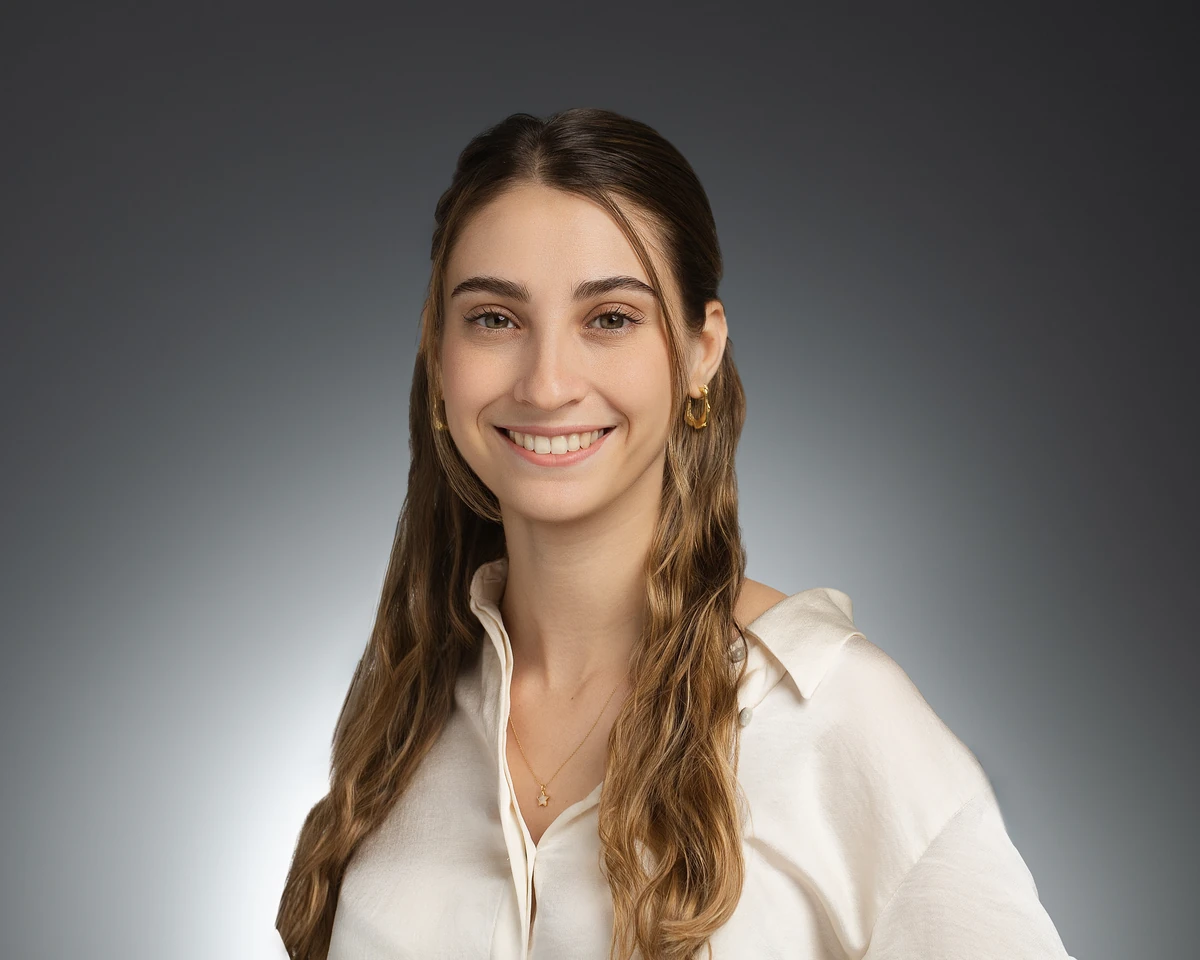
Magdalena Gerstendoerfer

Visiting Scientist, MD Thesis Student

Ludwig-Maximilians University, Munich

Yale lab directory
Lihi Kleinstern

Lihi Kleinstern

Visiting Scientist, MD Thesis Student

Tel Aviv University, Israel

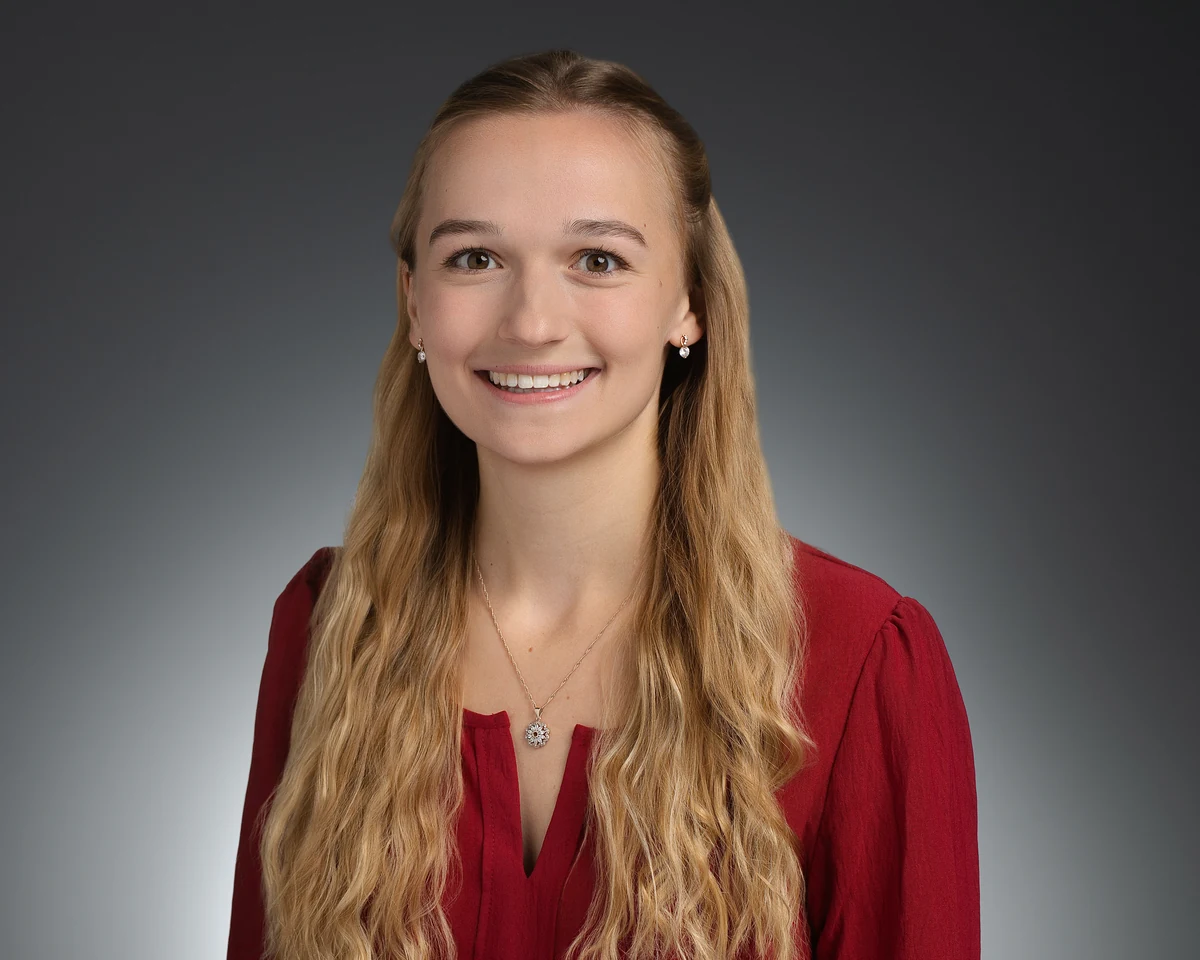
Denise Dressler

Denise Dressler

Visiting Scientist, MD Thesis Student

Technische Universität Dresden

Past lab members

Finja Bokstaller · Doris Louhikoski · Bogdana Popovic · Tzu-Chieh Huang · Shaan Bhandarkar · Nazreen Pallikkavaliyaveetil · Mansoor Mohammed · Maya Levine-Ritterman · Insil Kim, PhD · Xiaoqing Wang, MD · Carsten Stueber, PhD · Sriram Ramanan · Danielle DeBartolo · Mayyan Mubarak · Somiah Dahlawi · Chin-Yi Chen · Mario Skarica, MD

Lab news

News and Awards

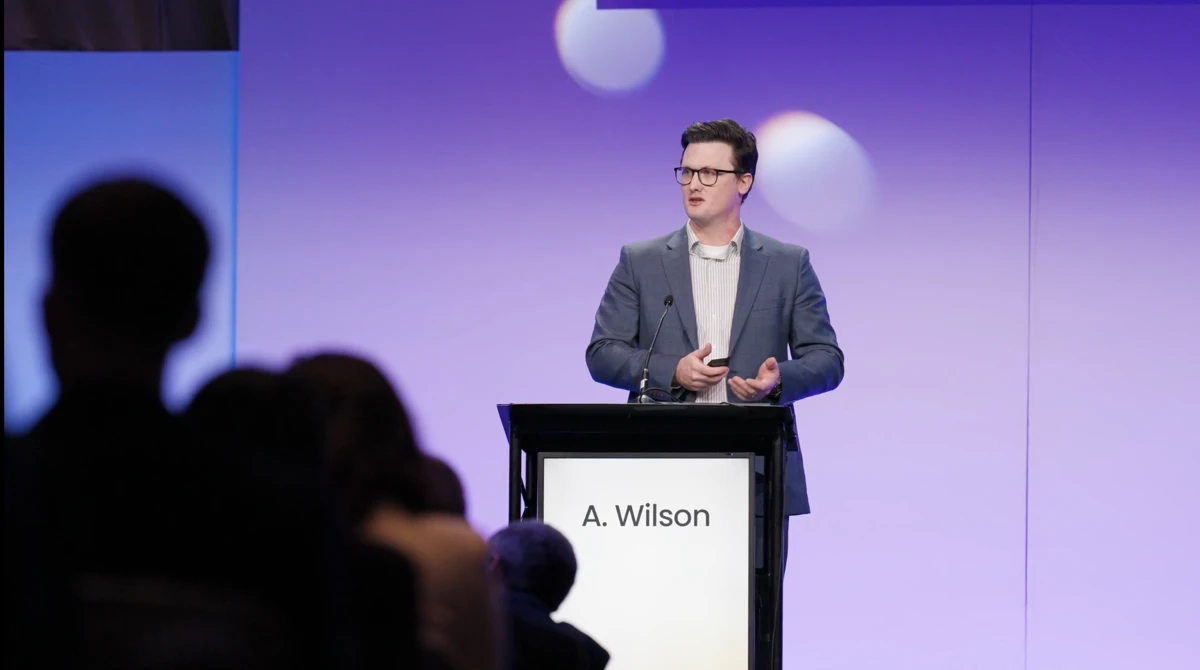
Andrew Wilson speaking at the ACTRIMS Forum

February 2026 · Conference

Andrew Wilson presents at ACTRIMS Forum 2026

His invited presentation, “Remyelination Failure in MS is Driven by Dominant Inhibitory Signals,” addressed mechanisms limiting myelin repair in multiple sclerosis.

2025 · Research award

David Pitt receives a 2025 Colton Award

The Colton Center for Autoimmunity at Yale selected David Pitt’s project investigating RNA in GLAST+ exosomes as diagnostic and predictive biomarkers of multiple sclerosis progression. Jonathan Weerakkody, PhD, is co-investigator.

2025 · Translational recognition

MilliporeSigma High Impact Award

Jonathan S. Weerakkody received the MilliporeSigma High Impact Award for the translational potential of East Rock Diagnostics through the Nucleate New Haven Activator program.

Jonathan’s awards & recognition

2026–2028 · Research funding

Patterson Mentored Research Award

Jonathan S. Weerakkody is Principal Investigator on the Robert E. Leet and Clara Guthrie Patterson Mentored Research Award.

$200,000 · 2026–2028

The award supports development of glial-derived EV RNA signatures for neurodegeneration risk stratification in multiple sclerosis.

Read the Yale announcement

Selected publications

Articles, reviews & preprints.

All publications at Yale
Additional selected publications
  1. Imaging chronic active lesions in multiple sclerosis: a consensus statement

    Bagnato F, Sati P, Hemond C, et al., including Pitt D. Brain · Consensus statement. 2024.

  2. Toward Precision Phenotyping of Multiple Sclerosis

    Pitt D, Lo CH, Gauthier SA, et al. Neurology: Neuroimmunology & Neuroinflammation · Review. 2022.

  3. Astrocyte Heterogeneity in Multiple Sclerosis: Current Understanding and Technical Challenges

    Lo CH, Skarica M, Mansoor M, Bhandarkar S, Toro S, Pitt D. Front Cell Neurosci. 2021 Aug 11. PMID: 34456686.

  4. Enhanced astrocyte responses are driven by a genetic risk allele associated with multiple sclerosis

    Ponath G, Lincoln MR, Levine-Ritterman M, et al. Nature Communications · Research article. 2018. PMID: 30559390.

  5. Quantitative susceptibility mapping identifies inflammation in a subset of chronic multiple sclerosis lesions

    Kaunzner UW, Kang Y, Zhang S, Morris E, Yao Y, Pandya S, Hurtado Rua SM, Park C, Gillen KM, Nguyen TD, Wang Y, Pitt D, Gauthier SA. Brain. 2019 Jan 1. PMID: 30561514.

  6. Myeloid cell plasticity in the evolution of central nervous system autoimmunity

    Giles DA, Washnock-Schmid JM, Duncker PC, Dahlawi S, Ponath G, Pitt D, Segal BM. Ann Neurol. 2018 Jan 14. PMID: 29283442.

  7. Podoplanin is a negative regulator of Th17 inflammation

    Nylander AN, Ponath GD, Axisa PP, Mubarak M, Tomayko M, Kuchroo VK, Pitt D, Hafler DA. JCI Insight. 2017 Sep 7. PMID: 28878118.

  8. Myelin phagocytosis by astrocytes after myelin damage promotes lesion pathology

    Ponath G, Ramanan S, Mubarak M, Housley W, Lee S, Sahinkaya FR, Vortmeyer A, Raine CS, Pitt D. Brain. 2017 Feb (2016 Dec 21). PMID: 28007993.

Join the Lab

Research support · Current & past

National Institute of Neurological Disorders and Stroke · National Institute of Allergy and Infectious Diseases · National Multiple Sclerosis Society · Myelin Repair Foundation · Department of Defense · Blavatnik Fund · Colton Center · Biogen · Novartis

Get in touch

Research collaborations
& training inquiries.

Visit the lab

Department of Neurology
Yale School of Medicine
300 George Street
New Haven, CT 06511

Work with us

We currently have one junior postdoctoral opening. For other research and training inquiries, contact David Pitt with a brief description of your interests.

Pitt Lab at Yale